DW Akademie in Uganda and Tanzania

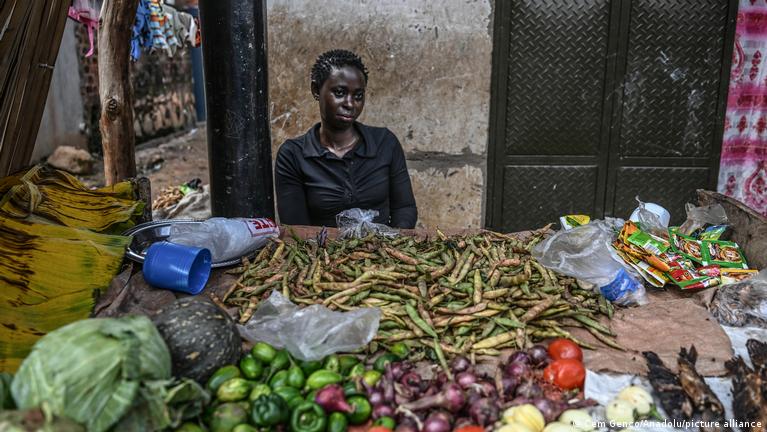
While cities like Kampala and Dar es Salaam have vibrant media landscapes, media outlets in rural areas are often scarce and voices there unheard. Most media companies in Uganda and Tanzania are based in urban areas and given financial constraints, journalists rarely travel to remote communities and instead cover issues nearby. However, the majority of people live in rurual areas where access to reliable information is vital. For many, radio is often their primary or only source for news.
Young people, women, refugees and asylum seekers are particularly underrepresented in public discussions, despite having valuable insights and ideas for solutions. Uganda, for example, hosts more than 1.7 million refugees – the highest number in Africa. Many live in settlements where access to relevant information is limited, especially when it comes to content tailored to their specific needs and provided in languages they understand.
Our activities
To address this, DW Akademie works with local media houses to support inclusive, community-driven dialogue, aligned with the needs of local populations.
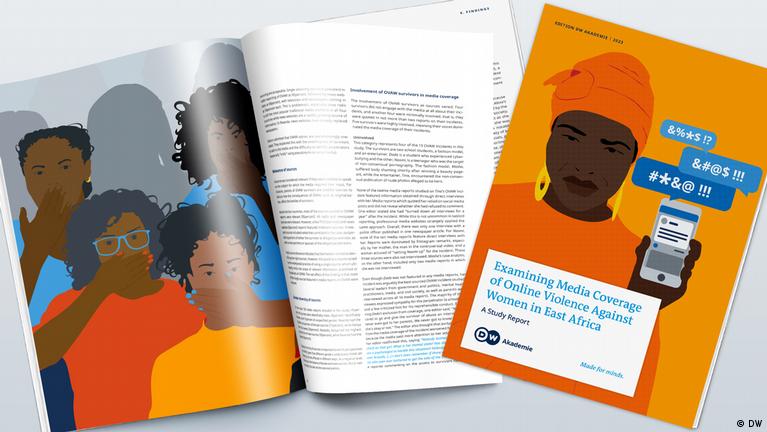
Download our evaluation reports for Uganda and East Africa below.
Amplifying voices – enhancing dialogue
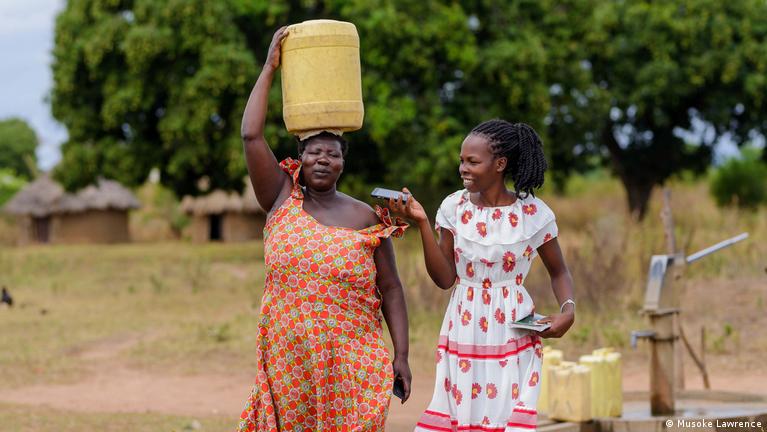
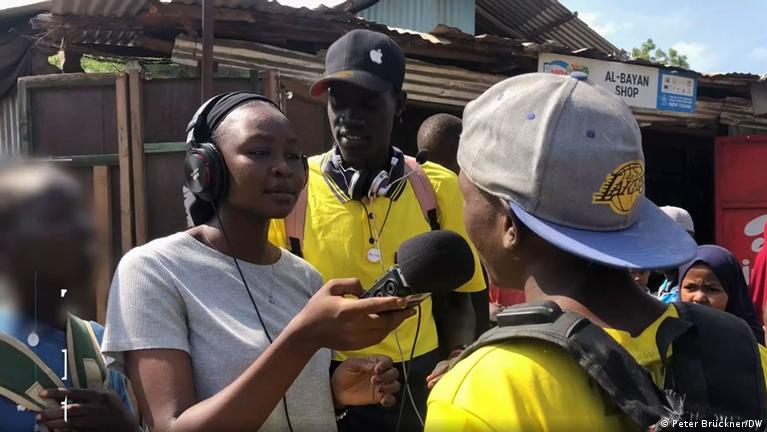
In order to close the gap between rural communities and the media, local radio stations in Uganda and Tanzania work with community reporters to improve coverage of issues otherwise often ignored. Reporters collect stories on local concerns such as damaged wells or a lack of mobile clinics in remote areas. Journalists from partner media outlets use these stories to produce programs that inform, raise awareness and encourage constructive, inclusive dialogue.
A key focus is on conflict-sensitive reporting: programs are designed to reduce tensions and help communities and initiate discussions. Stations host on-air and in-person forums where citizens, civil society representatives and local leaders exchange ideas and work toward solutions.
DW Akademie trains both professional journalists and community reporters from partner media houses in journalism fundamentals and ethics. Journalists receive training in public accountability and transparency reporting, while community reporters are trained in mobile journalism and interview techniques to report on community voices and perspectives. Radio stations receive additional support to strengthen their role as platforms for dialogue and develop sustainable business models for community-driven reporting.
In partnership with the Media Challenge Initiative (MCI), the project also helps local issues to be heard at the national level.
Creating spaces for women and youth
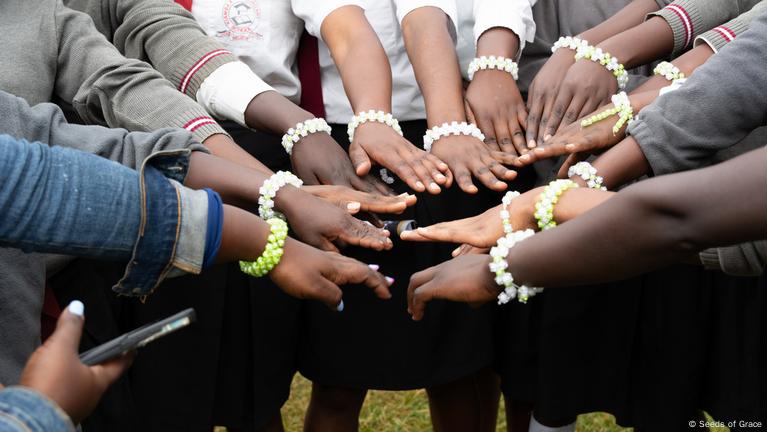
DW Akademie works in Uganda and Tanzania to ensure that youth and women are not only included in public dialogue but also actively help shape it. Their ideas, experiences and energy bring fresh perspectives that can strengthen communities and lead to more inclusive, innovative solutions.
Together with local media, DW Akademie strengthens their journalists’ skills for producing participatory formats that highlight women’s and young people’s priorities.
With the SparkChange program, local community champions can pitch ideas for strengthening their voices. Selected participants go through an innovation process in which they develop, test and refine their ideas. The program also has a leadership component where they improve their skills and confidence as changemakers.
At the local level, DW Akademie supports creative formats of expression such as music, poetry, podcasts and visual storytelling, this way creating new spaces for raising awareness and promoting dialogue.
Supporting refugee voices
DW Akademie works in Uganda and Tanzania to ensure that refugees not only have access to information but can also contribute their views. Radio plays a central role in providing relevant content in various languages and promoting participation and inclusion.
In Uganda, DW Akademie supports Bidibidi FM, a community radio station in one of the world’s largest refugee settlements. Run largely by refugees, the station provides reliable information, creates space for dialogue and promotes peaceful coexistence with host communities. Through a feedback mechanism, community concerns can be passed on directly to humanitarian agencies, enabling them to better respond to the needs of those they aim to support.
In Tanzania, DW Akademie works with Radio Kwizera, a station that has long focused on refugee audiences living in the border region. Journalists receive support in producing content that reflects the realities of displaced communities and fosters respectful, inclusive dialogue.
Funding: German Federal Ministry for Economic Cooperation and Development (BMZ), European Union (EU)
Program Director: Miriam Ohlsen
Locations: Uganda and Tanzania
Partners: African Centre for Media Excellence (ACME), Bidibidi FM 95.3, Busoga One FM 90.6, Elgon FMEtoil a Karamoja FM 92.7, Etop Radio 99.4 FM,Girl Up Initiative UgandaKasese Guide Radio, Media Challenge Initiative (MCI), Media Focus on Africa, Mighty Fire 91.5 FM, Radio Buddu 98.8FM and 95.5FM, Radio Pacis, Radio Rupiny 95.7FM, Radio West 100.2 FM, Spice FM Hoima 89.9, Voice of Kigezi FM, Voice of Toro FM
Focus: Media and Journalism Education, Media Safety, Media Viability, Innovation for Dialogue, participatory media content and community media, civic participation