In Mexico, local journalism uses MIL to fight disinformation

In a polarized media ecosystem saturated with misinformation, the TERRITORIAL alliance of independent media outlets in Mexico works to both inform and educate. These organizations use local journalism as a pillar of democracy and a tool for media and information literacy (MIL).
The new publication “Narrar lo próximo. El poder del periodismo local en la era de la desinformación”("Narrating the local: The power of local journalism in the age of disinformation") explores the alliance’s six years of practices and strategies to regain the trust of audiences while expanding media literacy. The paper (in Spanish) is available for download below.
Grassroots journalism and MIL
For decades, the figure of the white, male and centrist journalist has monopolized the public narrative. But that era is now behind us. The democratization of information brought with it a euphoria that has gradually turned to fatigue. More than 70% of Mexicans feel overwhelmed by information overload, while only 33% trust the media, according to the Reuters Institute's Digital News Report 2024.
DW Akademie and Periodistas de a Pie have therefore delved into how grassroots journalism can counter the downward trends, specifically looking at examples from the TERRITORIAL network of media outlets. At the core of their work is increasing media literacy, and thereby empowering audiences to respond to and use information responsibly. Media outlets therefore must transform themselves into “MIL Media,” organizations that are transparent, educational and accessible.
Since 2018, 17 digital media outlets in Mexico have been part of the TERRITORIAL network, an alliance that operates at the local and hyperlocal levels with a focus on human rights, gender and ethics. These outlets are not necessarily bound by geography, but by shared values, exploring topics such as disappearances, environmental crises, migration and public health.
“Narrar lo próximo” invites journalists and media outlets to be facilitators of dialogue, builders of meaning, and allies for their audiences. They use simple and effective techniques to develop journalism that is both eye-level and co-creative with their audiences. At the same time, these organizations have been able to stay financially viable and maintain their independence.
9 lessons from “Narrar lo próximo”
Journalism is no longer a monologue
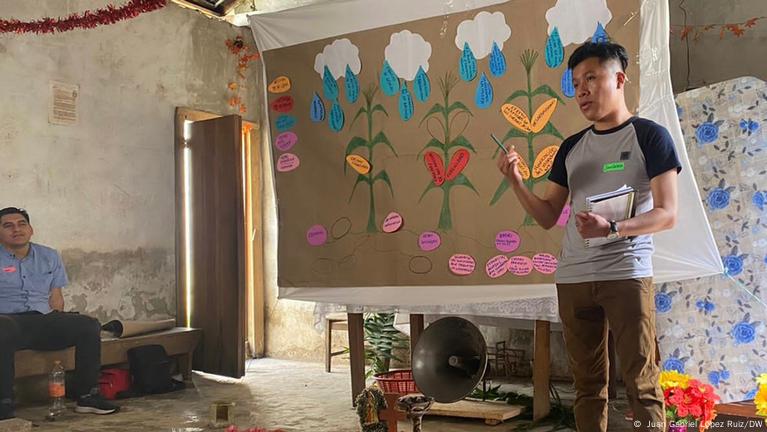
Journalism is becoming a dialogue between journalists and audiences, especially in local and hyperlocal contexts. Today, media must listen to their communities, not just inform them. For example, Raíchali, in the Sierra Tarahumara, weaves stories together with indigenous communities, connecting them with urban audiences through collaborative storytelling.
Telling stories is also educating
Although it may not always be overt or even conscious, journalism educates, teaches literacy and shapes judgment. It is up to reporters to recognize their role as educators. Darwin Franco, in his journalism course, posits that reporting with a rights-based approach also educates audiences.
Trust is built through transparency
Media outlets that explain how they work, who their journalists are and why they choose to tell a story can connect with their community, while generating greater trust. At POP Lab, they publish the names, profiles, and processes behind their stories to illustrate their approach and the ethics that guide their work.
Local journalism has transformative power
Local, independent media outlets can repair social rifts, bring visibility to silenced agendas and build democracy from the bottom up. It can also highlight structural issues and strengthen social ties. La Verdad in Ciudad Juárez, for example, addresses migration from a human perspective and brings context to a divisive issue.
The audience is not a “target” - it is an ally
Media outlets should treat their community as co-creators of content, encourage interaction and participate in defining agendas and approaches. ZonaDocs brings its audience into the journalistic process through a project that trains young journalists in ethical and rights-based reporting and encourages MIL among audiences.
Viability through audience engagement
Informational independence requires alternative, transparent, and sustainable financing models, free of political or business interests. Several TERRITORIAL media outlets, for example, reject official advertising from state actors, which they can use to influence editorial agendas. The outlets instead organize community events such as bazaars and workshops.
Journalism can be resistance
Many local reporters are working amid violence and censorship, yet they produce content with rigor, ethics and social justice. Revista Espejo, in Sinaloa, covers the impact of drug trafficking on society, despite the personal risk to its journalists.
Literacy is also emotional and cultural
Media education is not only about teaching how to verify data, but also about how to detect and avoid dehumanizing narratives. Chiapas Paralelo is constantly working on becoming an intercultural media outlet, inviting Indigenous people to tell their own stories.
Innovation is not always about technology
The true value of “MIL media” lies in its ability to experiment with narratives and formats, without losing its roots. Innovation means connecting with new audiences through creative and participatory formats. TERRITORIAL media outlets experiment with podcasts, documentary theater and illustration so their audiences can engage in formats that resonate with them.
“Narrar lo próximo. El poder del periodismo local en la era de la desinformación” is a publication of the network Periodistas de a Pie and DW Akademie, with support from the Federal Ministry for Economic Cooperation and Development (BMZ).