Sometime raw podcasting beats flawless production

In a world saturated with perfectly curated social media feeds and hyper-produced content, some podcasters are discovering something powerful: the messier the story, the more it resonates.
From "Legally Clueless", the hit Kenyas show by this month’s featured podcaster Adelle Onyango to Hollywood star Julia Louis-Dreyfus's "Wiser Than Me" in the US, these shows are proving that real human connection can happen when we drop the performance and just talk – and that applies to anyone from cultural icons to taxi drivers.
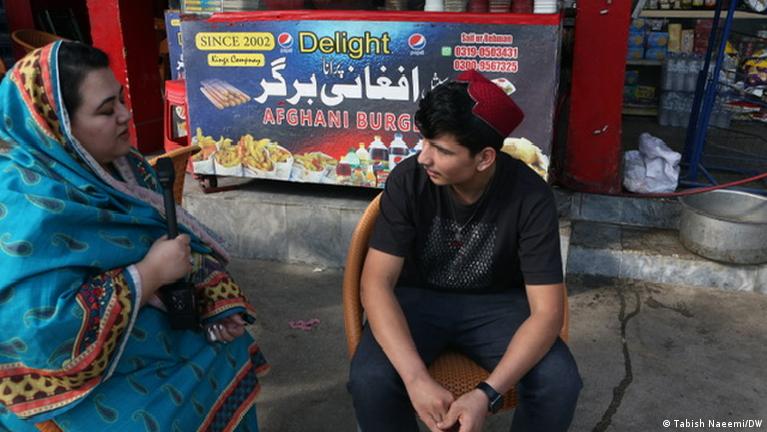
"I'm naturally curious about people," Onyango explains. "I remember when I always had a recorder in my handbag, always. I recorded stories in taxis, in abandoned rooms somewhere at a conference. I'm just like, 'Come with me. You're interesting.'" Her podcast, with over two million downloads, features raw storytelling where listeners often hear only the storyteller's voice—no host interruptions, no fancy production tricks. Just people talking directly to you about their lives.
This approach reflects a fundamental truth: everyone has a story worth telling. The magic isn't in finding extraordinary people—it's in recognizing that ordinary experiences, told honestly, can be riveting.
Stories are everywhere (if you're looking)
What sets successful raw storytelling podcasts apart isn't their ability to find dramatic tales, but their recognition that they exist everywhere. Onyango has mastered this art of discovery. "I'll be in a cab talking to the driver or scrolling on social media, and just be like, 'This is so interesting.' And then I'll just send a DM or pull a mic out. Once, I direct messaged a lady who was on a motorbike riding across Africa. And I was just like, 'You are so interesting. Do you have a story?'"
This curiosity-driven approach has made shows like US-based StoryCorps into beloved institutions. Rather than chasing celebrity guests or viral moments, these podcasts understand that the person sitting next to you on the bus probably has a compelling story, be it between family members or friends who have touched each other’s lives. The Moth has built an entire empire around this concept, creating live storytelling events where regular people share five-minute true stories that often outshine anything Hollywood could script.
The key insight? You don't need to hunt for extraordinary people. You need to get better at asking ordinary people the right questions.

An antidote to social media perfection
There's something profoundly refreshing about hearing unpolished stories in an age of Instagram filters and LinkedIn humble-brags. Raw storytelling podcasts offer what social media can't: permission to be imperfect, struggling and human.
"We're not looking for viral moments or sexy stories because that's not what the human experience is like," Onyango notes. "Sometimes it's mundane—actually, most times it's mundane." This philosophy directly counters our culture's obsession with highlight reels. RISK!, hosted by Kevin Allison, invites people to share "true stories they never thought they'd dare tell in public"—the very experiences people usually edit out of their social media presence.
Julia Louis-Dreyfus's Wiser Than Me demonstrates how even conversations with accomplished, famous and usually very well-off women often become more compelling when they focus on vulnerability rather than their achievements and accolades. Each show goes deep on topics like aging and self-acceptance. The show's success—winning Apple's Best Podcast of 2023 and the 2024 Webby Podcast of the Year—proves that audiences are hungry for this kind of honesty. It’s the opposite of the usual celebrity interview.
Why Imperfection Creates Connection
At RAW Storytelling, a Florida-based group that hold lives storytelling events and used to air a podcast, their philosophy was that true stories aren’t meant to be perfect: “They are meant to be real" is their motto. It’s a kind of "warts and all" approach that preserves the natural rhythm of human speech—the pauses, the searching for words, the moments where emotion overtakes composure.
Many podcasters think they need to edit out every stutter or moment of silence, but that’s not true to life. Of course, too many uhs and ahs can distract, but good producers understand that occasional imperfections are features, not bugs. When someone takes a breath before sharing something difficult, that pause carries emotional weight.
Shows like The Mortified Podcast embrace this concept completely by having people read their actual childhood diary entries to audiences—awkward teenage angst and all. The cringe-worthy moments aren't edited out; they're the point.
Building Safe Spaces for Real Talk
Creating space for vulnerable storytelling requires more than just hitting record. It demands attention to psychological safety. Onyango's approach illustrates key principles: "We have calls with storytellers before recording, letting them choose what story to share. I tell our correspondents that a story recording is like someone walking you through their house—if they open up a room to let you in, you can ask about the furniture. But if they don't open it, you can't just barge in."
The physical environment matters too. Many successful raw storytelling podcasts record in private spaces where people feel secure, often using audio-only setups to reduce self-consciousness. Respecting boundaries means being prepared to stop recording if someone becomes uncomfortable.

The Loneliness Antidote
Perhaps the most powerful aspect of raw storytelling is its ability to combat isolation. When people hear others sharing similar struggles, they realize they're not alone in their experience. As Onyango puts it: " Mental health struggles make you feel like there's something wrong with you, but in fact, it shows you're human."
It can create a "virtuous cycle" – when storytellers share experiences, community members send messages saying they're going through something similar. Listeners don't just consume content, they see themselves reflected in it.
StoryCorps has successfully created a national archive of personal stories. It and other shows understand that hearing about other people's struggles – whether major traumas or everyday frustrations – helps audiences feel less isolated in their own challenges.
Practical Steps for Opening People Up
For podcasters interested in raw storytelling, the good news is that compelling stories are everywhere, but you need to create the conditions for genuine sharing:
Start with yourself. Before asking others to be vulnerable, practice sharing genuine experiences in your own content, including failures and uncertainties.
Simplify your setup. Focus on creating emotional comfort rather than technical perfection. A quiet room and a decent microphone often are all you need.
Prepare emotionally, not scripts. Have conversations with potential storytellers about their comfort levels and boundaries rather than planning specific questions or outcomes.
Think about basic needs. Ensure storytellers are comfortable, fed and have something to drink.
Respect boundaries. Be prepared to stop recording if someone becomes uncomfortable, allow for breaks and never push for more detail than someone is willing to share.
Edit with restraint. Clean up audio for clarity but preserve natural speech patterns and emotional moments—those pauses and imperfections carry meaning.
The art of raw storytelling isn't about abandoning professionalism. Rather, it's about recognizing that compelling content emerges when we create space for human experiences to unfold naturally. In our oversaturated media landscape, sometimes the most radical thing a podcaster can do is simply let people tell their stories in their own words, at their own pace, complete with all the imperfections that make us human.