India's podcasting boom: Growth and challenges

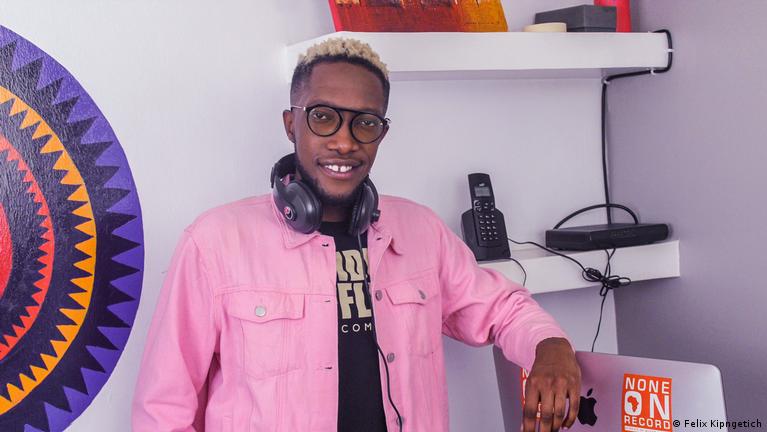
Chhavi Sachdev, one of India's podcasting pioneers and the force behind some of the country’s earliest shows, founded her production company Sonologueback in the antediluvian days of 2008. This was pre-smartphone, pre-app, when you still had to plug in your iPod to download new episodes. Back then, the name podcasting was almost completely unknown. She found herself explaining it to mostly baffled listeners. "What channel is it on?" they would ask.
"It's been an enormous journey since then," she said.
Indeed. In 2023, India ranked as the third-largest podcast market globally, with an estimated 57.6 million monthly listeners, according to a report by Indian market research firm Astute Analytica.
While radio has long been a popular medium in India, the growing popularity of podcasting likely has deeper roots. The country’s strong tradition of oral storytelling goes back millennia and is embedded in the country's culture. Around 70 years ago, serialized fiction in magazines was very popular – bringing readers a new chapter every week. When TV became king, the daily soap was the must-watch. So podcasting’s episodic structure and strong storytelling component made it a good fit for national tastes and habits.

Podcasting began gaining some traction on the sub-continent in the early 2010s, helped along by increasing smartphone penetration and sinking data costs, but it was still a medium mostly limited to tech-savvy urban dwellers. That started to change, Sachdev said, when Netflix came to India in 2016. More people began to understand the concept of getting content from the internet and podcasting's growth picked up speed. Spotify came to India in 2019 and gave it another strong push as did the subsequent Covid-19 pandemic.
While the upswing has been remarkable, there’s plenty of room to grow. A 2024 study found that only 12% of Indians are currently engaged, leaving a vast untapped audience waiting to be explored.
Back when Chhavi Sachdev starting talking podcasting in 2008, she mostly got puzzled looks. That’s changed now. She admits there still a ways to go in raising awareness, especially among older Indians. But explaining podcasting has gotten easier.
"You say it's like Netflix for your ears and you can listen to programs wherever you are, whenever you want on your phone," she said. "Many people still don't have the vocabulary, but people under 50 do have at least have a sense of what podcasting is."
What’s popular?
In India, entertainment-based content makes up 25% of the podcasting market, while interview formats represent 30%. Popular genres in India are self-help, spirituality, comedy and horror, Sachdev said. Business and finance are also popular.
These days, perhaps not surprising given India’s celebrity-driven culture, podcasts with Bollywood stars are drawing big audiences, largely thanks to their huge social media presence. Also among the in-demand shows are ones from regional musicians, cricket players and social media influencers, such as BeerBiceps with Ranveer Allahbadia, who sits at the top spot among Indian YouTube pods.
Indeed, YouTube is a driving force in podcasting in India, as it is in many markets.
"YouTube came to India and exploded," Sachdev said. "[Audio] podcasting never caught up, and which is why I think this video thing has really hit home with people."
The rush to video is overwhelming, she added, expressing less than full-throated enthusiasm about the trend, given that she is also an audio journalist.
"When I'm asked to consult with someone wanting to make a podcast, I go into it with the assumption that they're making audio podcasts," she said. "It turns out I am 100% wrong every single time. We'll start a conversation and I'll be blindsided when they say, 'how many cameras will we have?'"

The language issue
India enjoys enormous linguistic diversity with over 20 major languages and hundreds of dialects. These days, podcasters are producing more in more of these regional languages. English and Hindi still dominate the market, but helped along to by home-grown platforms like Aawaz, Suno India and Kuku FM, which specialize in regional content, podcasts in Tamil, Telugu, Bengali, Marathi and Malayalam are no longer rare.
The demand for local and regional content is driven by increasing digital accessibility in rural areas and smaller towns, where audiences prefer content in their native tongues. This shift is making podcasting more inclusive with storytelling, folk narratives and discussions on local issues resonating with a demographic that might not feel as comfortable with Hindi or English.
The money problem
Despite all the enthusiasm and excitement around podcasting, there's a big obstacle: how to finance these shows, especially if you don't have a brand or media outlet behind you?
Smaller teams and regional shows struggle to find advertisers while sponsors and subscription-based models haven't really caught on. Listeners still prefer ad-supported or free content, according to the Astute Analytica report.
"if you're very popular, you might make some money off of it, enough to give up your day job," Sachdev said, pointing out that the success of monetize with services like Patreon has been mixed at best.
"Crowdfunding is a very hard thing in India, and we don't really have a culture of paying for something if it was free to start with," she added. "Even if you promise bonuses and stuff, I feel like it hasn't resulted in much conversion."
The shift to video means that production costs are higher than they would be with audio-only formats, further squeezing smaller producers. The result: many podcasts remain passion projects for their creators, done when they're not working their day jobs. Long-term sustainability is a big question.
If podcasts in India are going to go from an emerging medium to a dependable avenue for storytellers, new revenue-generating options will have to be explored or India's independent podcasting sector could be facing an serious epidemic of pod fade.