AI, and journalism: "A collective approach is essential"

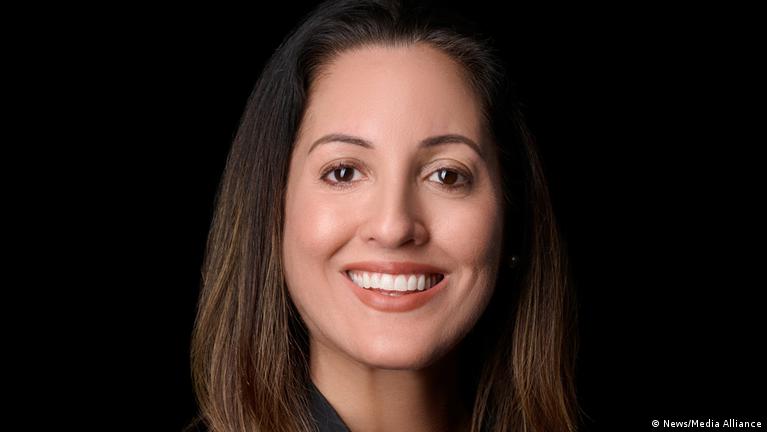
In Brazil, lawmakers have been discussing a bill that could result in one of the first regulatory frameworks on artificial intelligence globally. The digital journalism association Ajor plays a key role in advocating for legal and policy measures that support the sustainability and plurality of media in Brazil. In conversation with DW Freedom, the association's Director of Institutional Relations Carla Egydio shares her insights on fair compensation and the global interconnectedness of AI-related challenges in the media environment.
DW Freedom: Could you tell us more about Ajor and its main areas of focus?
Carla Egydio: Ajor was founded in 2021 with the aim of strengthening digital journalism. Today, the association has over 150 digital media outlets as members. Our work is structured into three key areas: Business development of member organizations, focus on diversity, and the defense of journalism and democracy. The last one is about monitoring policy decisions that impact journalism, implementing legal and digital security measures, and advocating for a more plural and sustainable media ecosystem.
How does the rise of generative AI impact the sustainability of your member organizations?
We are facing a difficult moment. Sustainability has always been a challenge in Brazil’s ecosystem, and now it’s one of the main concerns we have. We know that AI companies are using our content – specifically, Brazilian Portuguese content – yet media outlets are not being compensated for it. But it’s not just about remuneration, it’s important to know what content they are using because it influences the prompt result.
In Brazil, we have been discussing an AI bill that includes provisions on copyright, stating that AI companies must pay for the use of copyrighted material and disclose when copyrighted data is being used. This transparency is critical and it’s in the public interest.
If AI systems are shaping narratives on topics like public health or politics, people have the right to know what sources they are relying on. This isn’t just important for the media – it affects all of us and our democracy.
Ajor has been actively participating in international discussions on AI and journalism. Why is this important?
Exchanging knowledge is key because AI-related challenges in the media ecosystem are global, not just specific to Brazil. While Big Tech and AI companies' strategies and operations may vary, decisions made in one country have significant consequences for developments elsewhere.
For example, the outcome of lawsuits involving AI companies and big media houses in the United States and Europe set precedents that can impact the entire industry. This is why it is so important for us in Brazil to be part of the ongoing international discussions.
What can publishers do about the unauthorized scraping of their content?
I think that we need to work in a collaborative approach. Media organizations won't make meaningful progress if they try to address the issue individually. So, building a collective approach is essential – not just among publishers, but also in alliance with advocacy groups and international organizations.
In Brazil, we are advocating for an AI regulation that will obligate AI companies to compensate publishers for the content they use. But the lobbying power of tech companies is immense, and we have experienced them stopping previous legislative efforts like the fake news bill. Brazil is a big market for these companies and has an influence in other countries.
These companies are aware that any law passed here could set an example for Latin America and beyond. That's why they're pushing back so hard – but it's also why we must keep pushing forward.
Interview: Elena Köhler
DW Freedom is the media development think tank at DW Akademie. It invests in research, builds networks, and advocates for free and open media systems across the globe. "Financing of Journalism" is one of DW Freedom’s thematic focus areas. Addressing the financial challenges faced by journalism, DW Freedom advocates for fair compensation for news publishers.